
Rio Rico, Arizona
Want to see how Rio Rico compares to other top cities in Arizona? Explore all city regulations in Arizona. →
Rio Rico, AZ
Very Investor Friendly
STR Regulations for Rio Rico, Arizona
Overview: Are Short-Term Rentals Allowed in Rio Rico, AZ?
Yes, short-term rentals are allowed in Rio Rico, Arizona. However, it is crucial to understand that Rio Rico is an unincorporated community within Santa Cruz County. This means there are no specific city-level regulations or a city-run permitting process for STRs. The governing rules and enforcement fall under Santa Cruz County and the State of Arizona. Investors must comply with state statutes and any county ordinances.
Guide for Short-Term Rental Investors in Rio Rico, AZ
1. How to Start a Short-Term Rental Business in Rio Rico
Starting an STR business in Rio Rico follows a straightforward process due to the minimal local regulations, but strict compliance with state law is mandatory.
- Market Research: Analyze the local market. While the data provided is for nearby Tubac (indicating a low-regulation environment and moderate performance), it offers a regional benchmark. Rio Rico's proximity to attractions like Patagonia Lake and its scenic location can be a draw for tourists and weekend travelers. Investigate the demand for your specific property type (e.g., family vacation home, pet-friendly retreat).
- Property Preparation: Ensure your property is safe, clean, and equipped with essential amenities. The Tubac market analysis highlights amenities like Wi-Fi, air conditioning, and smoke alarms as critical for guest satisfaction.
- State-Level Registration & Licensing: This is the most critical step. You must obtain a Transaction Privilege Tax (TPT) license from the Arizona Department of Revenue. This license is required for all businesses in Arizona that sell or lease tangible personal property or certain services, which includes short-term rentals of real property. The TPT tax is the state's version of a sales tax.
- You will use this license to collect and remit the Transaction Privilege Tax (and any applicable county taxes) on your rental income.
- Legal Compliance with State Laws: Your STR must adhere to the state regulations outlined below.
- Insurance: While not mandated by the state for the license itself, securing comprehensive liability insurance for your STR is highly recommended to protect your investment.
- Listing Your Property: You can list your property on popular platforms like Airbnb, VRBO, or directly on your own website. These platforms are now required to collect and remit taxes on your behalf, but you are still responsible for initial registration and overall compliance.
2. Required Documents, Permits, Licenses, and Guidelines
The key compliance items are primarily state-level, as there are no Rio Rico or Santa Cruz County-specific licenses mentioned in the provided sources.
- Arizona Transaction Privilege Tax (TPT) License: This is the essential state-issued license. You must apply through the Arizona Department of Revenue.
- Guideline: Visit the Arizona Department of Revenue TPT page for application procedures and information on tax rates.
- Compliance with Arizona State Laws (SB1350 & SB1168): This is not a physical permit but a set of legal requirements you must follow (detailed in the next section). Failure to comply can result in penalties.
- Liability Insurance (Highly Recommended): To protect against guest injuries or property damage. This may be required by your lender or homeowners insurance policy.
3. Specific Regulations for Short-Term Rentals in Arizona & Santa Cruz County
The regulatory environment is defined by Arizona state law, with enforcement by local authorities like Santa Cruz County.
Arizona State Laws:
- SB1350 (2016): This law established Arizona as a "property rights" state. It generally prohibited cities, towns, and counties from restricting the use of vacation rentals and short-term rentals, except for regulations meant to protect public health and safety. It also provided the framework for collecting rental taxes (the TPT license mentioned above).
- SB1168 (2022): This law expanded local enforcement powers. It allows local governments (like Santa Cruz County) to:
- Require property owners to obtain and maintain a local regulatory permit or license.
- Require notification to surrounding single-family residences before a property is first used as a short-term rental.
- Require owners to maintain liability insurance or advertise through an online lodging marketplace that provides coverage.
- Impose a civil penalty of up to $1,000 or suspend a business license for up to 12 months for specific verified violations.
Santa Cruz County's Role: Based on the article discussing Patagonia and Rio Rico forums, Santa Cruz County is actively developing a housing strategy and is concerned about the impact of STRs on workforce housing. While there are no current, specific ordinances for Rio Rico outlined in the provided content, the County has the authority under SB1168 to enforce state regulations and could potentially enact new local rules in the future. Staying informed through the County is important.
4. Local Authority Contact Information for STRs in Rio Rico
Since Rio Rico has no municipal government, contact information for Santa Cruz County is the primary source for inquiries.
- Santa Cruz County Administration:
- Phone: (520) 375-7800
- Website: Santa Cruz County (This is the county library, which was the primary URL found. For more direct county services, searching "Santa Cruz County Arizona" will lead to the official government website.)
Note on Enforcement: The article mentions that not every STR owner in Patagonia had the required licenses. Given the shared county jurisdiction, it is highly likely that Santa Cruz County is the enforcing body for licensing and regulatory compliance in Rio Rico as well. Always verify current requirements directly with the County.
5. Important Notes from the Source Material
- Enforcement: State law places the burden of collection on hosting platforms. The Town Manager in Patagonia noted that the true number of STRs is unknown because not every owner obtains the required licenses, and the state does not report the source of the tax revenue. This lack of enforcement visibility is a common challenge in low-regulation environments.
- Housing Impact: The Patagonia article highlights the community concern that investor-owned STRs can reduce long-term rental stock and drive up home prices. While data for Rio Rico is not provided, investors should be aware of this potential local sentiment and act as good neighbors.
Summary and Action Steps for Investors
- Confirm Legality: STRs are allowed in Arizona and Rio Rico/Santa Cruz County.
- Obtain a State TPT License: This is your primary legal obligation. Register with the Arizona Department of Revenue.
- Comply with State Laws: Adhere to the requirements of SB1350 and SB1168, including providing contact information and avoiding prohibited uses (e.g., special events requiring separate permits).
- Secure Adequate Insurance: Protect your investment.
- Monitor Santa Cruz County: Stay vigilant for any future county-level ordinances or enhanced enforcement activities related to STRs.
- Source Links:
- Arizona Department of Revenue - TPT
- Patagonia Regional Times Article on STR Impact
- AirROI Market Report for Nearby Tubac (for market context, not regulation)
What do Airbnb hosts actually earn in Rio Rico?
Rio Rico hosts earn a median $17,967/year with $87 ADR and 72% occupancy.
Top performers pull in $23,744+ per year.
See the full Rio Rico market breakdownNext step
Found a property in Rio Rico?
Paste any address and get estimated revenue, cash-on-cash return, and comparable STR performance in under 5 minutes. 3 free analyses per day.
Free brief
Get the free Rio Rico STR Investment Brief
Revenue data, top neighborhoods, seasonal trends, and the key regulations for Rio Rico, Arizona in one email.
Rio Rico
Market Saturation Score
Photos of Rio Rico

Overview of Rio Rico
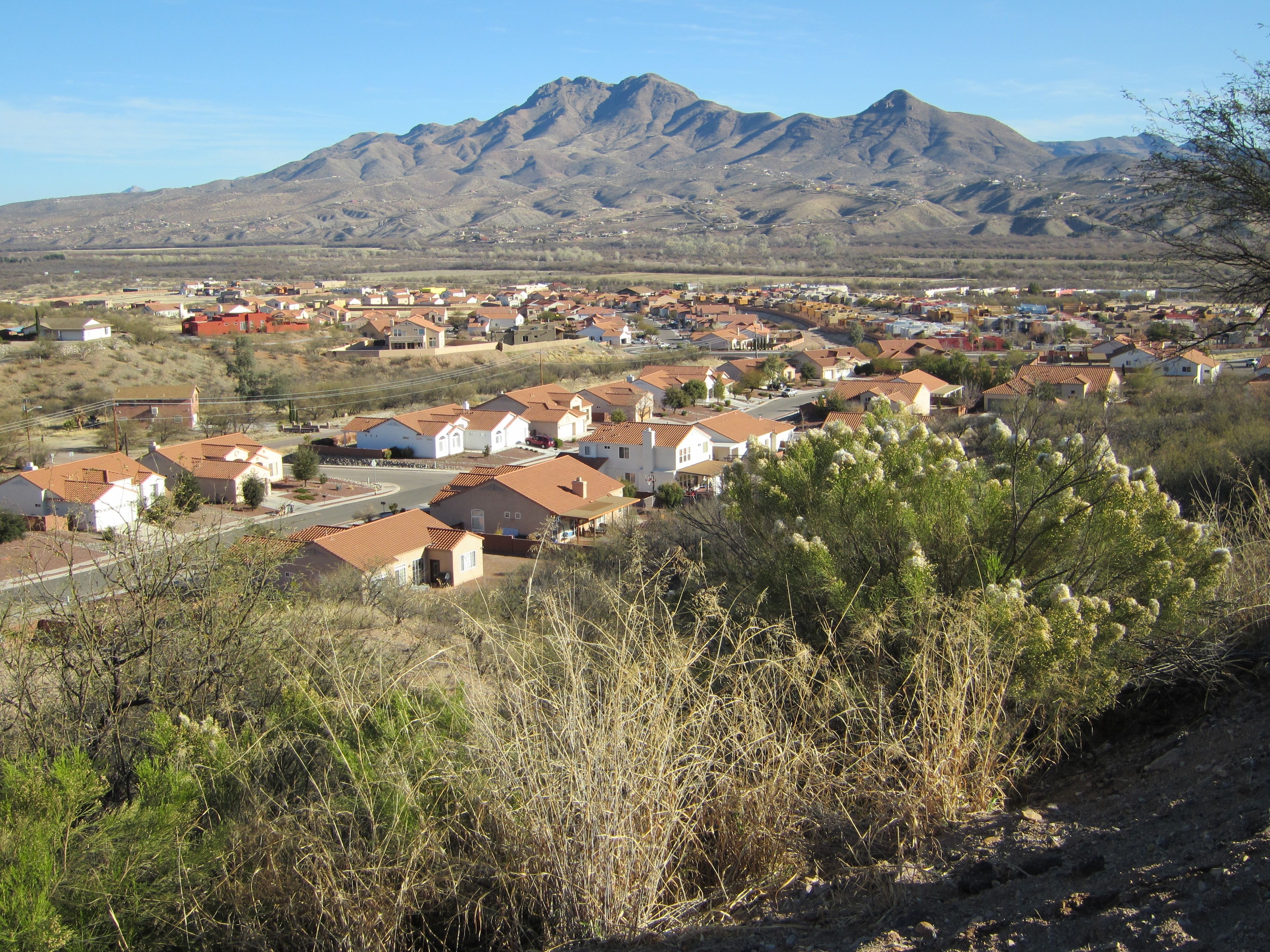
Rio Rico is a small, sprawling community in southern Arizona, sitting in Santa Cruz County along Interstate 19 between Tucson and the U.S.–Mexico border. With a population of roughly 18,000 to 19,000 residents, Rio Rico is less a single compact town than a patchwork of hillside subdivisions and ranch-style neighborhoods spread across rolling Sonoran desert terrain. The community has a quiet, residential character, popular with commuters and retirees who appreciate its lower cost of living and the easy access it provides to both natural attractions and the border region. Rio Rico is best known as a convenient stopover and gateway community for travelers heading south to Nogales or north to Tucson, and as a base for outdoor enthusiasts drawn to the sky-island mountains and riparian canyons of the surrounding high desert.
A short drive north of Rio Rico brings visitors to Tubac Presidio State Historic Park, the site of the original Spanish presidio in Arizona and the place where the state's first European settlement took root in 1752. The park preserves original foundations, exhibits on frontier military life, and sits within the larger Tubac community, which is celebrated for its galleries, shops, and longstanding artist colony. From Rio Rico, the drive to Tubac is roughly 15 to 20 minutes via I-19.
South of Rio Rico and east of Nogales lies Tumacácori National Historical Park, home to the striking ruins of Mission San José de Tumacácori, a Spanish mission established in the late 17th century by Jesuit missionaries and later expanded by Franciscans. The adobe church, with its weathered brick façade and surrounding cemetery, is one of the most photographed mission ruins in the American Southwest, and the park's museum offers context on the region’s layered Spanish, O'odham, and Mexican heritage. Tumacácori is approximately a 25-minute drive from Rio Rico.
Just east of the area, Patagonia Lake State Park offers a welcome change of pace from the desert scrub, with a 265-acre lake surrounded by rolling hills and cottonwood trees. The park is a well-known birding destination, particularly for hummingbirds, and offers camping, fishing, and hiking opportunities. From Rio Rico, the drive to Patagonia Lake is roughly 30 to 35 minutes via Sonoita Highway and a network of connecting roads.
Rio Rico's appeal as a short-term rental market rests on its strategic position in southern Arizona. It offers a more affordable, residential alternative to staying in Tucson, while still placing guests within easy reach of Tubac's art and history, the mission ruins at Tumacácori, the birding and outdoor recreation of Patagonia, and the cultural crosscurrents of the Arizona–Sonora borderlands. The combination of mild winters, dramatic desert scenery, and proximity to several distinct destinations makes Rio Rico an attractive base for travelers seeking to explore a lesser-known corner of the Southwest.
Want to know if a property in Rio Rico is a good investment?
Enter an address to get instant revenue potential and comps.