
Blytheville, Arkansas
Want to see how Blytheville compares to other top cities in Arkansas? Explore all city regulations in Arkansas. →
Blytheville, AR
Challenging To Investors
STR Regulations for Blytheville, Arkansas
This guide distills the City of Blytheville’s Zoning Regulations (as amended through March 20, 2007) into practical steps and rules for operating short‑term rentals (STRs). The information is drawn directly from the city’s zoning ordinance and applicable Arkansas state requirements. It is designed for investors, hosts, and property managers who need a clear path to compliance in Blythetheville (spelling note: the official municipality spelling is “Blytheville,” not “Blytheville”).
Important disclaimer: This guide is for informational purposes only and does not constitute legal advice. Always verify with the City and consult legal counsel before investing.
Overview: Are Short-Term Rentals Allowed in Blytheville?
Explicit answer: Yes—short-term rentals are allowed in Blytheville, but their permissibility depends on the zoning district and how the STR is structured:
- STRs operated within a single-family residence (owner- or tenant-hosted) are treated as a “tourist home.” Tourist homes are not permitted as-of-right in residential districts and are not allowed as “home occupations.” They may be allowed as a conditional use in residential districts, subject to Planning Commission approval and the conditions imposed by that body (e.g., parking, screening, occupancy limits, fire/life safety, signage).
- STRs in separate structures (e.g., converted single-family dwellings offered transient lodging to different parties than the permanent residents) are categorized as “rooming houses” in the ordinance’s terminology. “Rooming houses” (three or more sleeping rooms, shared kitchen and congregate dining, transient occupants on a periodic rental basis) are not permitted in residential districts and typically require a different zoning classification (e.g., commercial zoning) or an approved variance/conditional use.
- Existing “nonconforming” STRs established before the effective date of the ordinance may continue under nonconforming use rules (see Article XIII), but are otherwise constrained by nonconformance provisions.
- Arkansas state law (Arkansas Code § 26-76-112) imposes a 2% gross receipts tax on lodging businesses. If your STR business meets the definition of “lodging business” under state law (offering accommodations to guests for fewer than 30 days), you must register and collect this tax.
Result: In Blytheville, you can operate a legal STR, but in most cases you will need planning approvals (often a conditional use) and compliance with building, life-safety, and tax requirements.
What do Airbnb hosts actually earn in Blytheville?
Blytheville hosts earn a median $19,181/year with $162 ADR and 49% occupancy.
Top performers pull in $26,241+ per year.
See the full Blytheville market breakdownHow to Start an STR Business in This Market
The process has several steps. Start by aligning your property’s current use with the zoning ordinance’s definitions, then obtain planning approvals and municipal/business authorizations, complete required inspections, and set up state tax registration.
- Confirm zoning eligibility
- Identify the zoning district on your parcel (e.g., R‑1, R‑2, R‑3, R‑4, B‑1, B‑2, B‑3, B‑4).
- Classify your intended STR operation:
- Tourist home (in-home STR, hosted): Often considered a conditional use in residential districts; prohibited as a home occupation.
- Rooming house or similar transient lodging: Typically requires commercial zoning or a conditional use/variance; not permitted as-of-right in residential districts.
- If your operation qualifies for conditional use in your district, proceed to the conditional use process. If it is not listed as a conditional use in your district, explore rezoning or verify through the Enforcement Officer and Planning Commission whether the use can be treated as unclassified but similar to permitted/conditional uses (Article V, Section 5.06.0).
- Secure planning approvals
- Conditional Use (if applicable):
- Submit application and required information 21 days before the public hearing (Article III, Section 3.06.03.A.1).
- Public notice required at least 15 days in advance.
- Applicant must notify all property owners within 200 feet; the city posts notice on the property.
- Hearing before the Planning Commission; decision may include conditions (screening, parking, signage, occupancy, hours).
- Appeal to the City Council within 15 days of the Planning Commission’s written decision if desired.
- Rezoning (if needed): Use the map amendment process (Article III, Section 3.05.02).
- Variance: Seek a variance from the Board of Adjustment only if you cannot meet strict dimensional requirements (Article XIV, Section 14.03.02).
- Special Use Permit: Temporary dwellings for construction/maintenance/security personnel may be allowed as a special use; generally not applicable to STRs unless your operation is demonstrably temporary and meets ordinance criteria (Article III, Section 3.07.0; Article V, Section 5.14.0).
- Complete building and occupancy steps
- Building Permit: Submit plans and a plot plan for any construction, renovation, or change of use (Article III, Section 3.02.0).
- Certificate of Occupancy: No building may be used or occupied until the Enforcement Officer issues a Certificate of Occupancy confirming compliance with zoning and building codes. Utility connections may be denied absent a Certificate (Article III, Section 3.03.0).
- Obtain business licenses and comply with state lodging taxes
- City business license: Contact the City Collector’s Office for current licensing requirements.
- Arkansas 2% lodging tax: If your business qualifies as a lodging business, register with the Arkansas Department of Finance and Administration (DFA) and collect/remit the 2% gross receipts tax on lodging.
- Set compliance systems
- On-site signage: In residential districts, signs are strictly limited and must meet residential sign rules (Article XII). A temporary “For Rent” sign is allowed without a permit if it meets size and placement criteria; ensure illumination restrictions and placement comply.
- Parking: Meet off-street parking standards (Article XI). Plan for guest parking without violating residential parking limits and buffer/screening requirements.
- Life safety: Confirm smoke detectors, egress, fire extinguishers, and any required emergency lighting consistent with building codes referenced by the certificate of occupancy process.
Required Documents, Permits, Licenses, and Guidelines
You should prepare, at minimum, the following:
- Planning applications
- Conditional Use application (Article III, Section 3.06.03.A) with a site plan, setbacks, parking, screening/landscaping, ingress/egress, and narrative description.
- Variance application (Article XIV, Section 14.04) if applicable, with required fees.
- Rezoning application (Article III, Section 3.05.02) if zoning district change is needed.
- Building and occupancy
- Building Permit application with plot plan (Article III, Section 3.02.0).
- Construction documents and any fire/life-safety documentation required by code.
- Certificate of Occupancy (Article III, Section 3.03.0) prior to operation.
- Business licensing and taxes
- City business license (contact the City Collector’s Office).
- State lodging tax registration (Arkansas DFA) and ongoing filings for the 2% gross receipts tax on lodging.
- Notices and compliance records
- Property owner notification list for 200-foot radius notices for conditional use and public hearings (Article III, Sections 3.06.03.A.3 and 3.05.02.C.3).
- Proof of posted notice on property for hearings (Article III, Section 3.05.02.C.3a).
- Operational compliance
- Signage plan reflecting Article XII rules (residential limits on size, placement, illumination).
- Parking plan aligned with Article XI requirements.
- Screening/buffer plan where applicable (Article V, Section 5.01.0 for accessory structures; Article V standards for screening).
Note: Some processes carry fees (e.g., Conditional Use: $50; Variance: $50; Special Use Permit: $25; Rezoning map amendment: $50). Confirm current fee schedules with the City Clerk or Enforcement Officer.
Specific Regulations: Blytheville Zoning Districts and State Level
City-level zoning (Blytheville Zoning Regulations)
- Definitions relevant to STRs
- Home Occupation: Any use conducted entirely within a dwelling by occupants, clearly incidental to residential use, without external display or stock-in-trade. Tourist homes are explicitly excluded from “home occupations” (Article V, Section 5.07.0).
- Tourist Home: A transient lodging operation; generally treated as a separate lodging use in residential districts and not permitted as-of-right or as a home occupation.
- Rooming House: A structure with three or more sleeping rooms for transient occupants, with common kitchen and dining; not permitted in residential districts as-of-right.
- Hotel/Motel: Transient lodging accommodations. Typically permitted in commercial districts (B‑1, B‑2, B‑3, B‑4); STR investors considering conversion to hotel/motel operations should align with the allowed uses in the relevant commercial district.
- Certificate of Occupancy: Required before occupancy for any new or altered building or change of use (Article III, Section 3.03.0).
- Conditional Use: A use allowed in a district subject to special conditions and Planning Commission approval. Tourist homes may be considered as conditional uses in residential districts (per the exclusion from home occupations and the conditional use framework).
- Nonconforming Uses: Existing STRs established before the ordinance may continue as nonconforming uses subject to Article XIII limitations and restrictions (no expansion without approvals; cessation upon abandonment; etc.).
- Residential districts (R‑1 to R‑4)
- In-home STRs (tourist homes) are not permitted as-of-right and cannot qualify as home occupations. They may be considered for conditional use approval; if denied, the property cannot operate a tourist home without a different zoning approach (e.g., rezoning).
- Rooming houses (three or more rooms with shared facilities) are not permitted in residential districts.
- Parking is governed by Article XI; confirm minimum spaces and paved surface requirements.
- Signage in residential districts is limited in size and illumination; see Article XII for sign standards.
- Commercial districts (B‑1, B‑2, B‑3, B‑4)
- Transient lodging (hotel/motel) uses are commonly allowed in commercial zoning (note: confirm the detailed “permitted uses” list for the specific B‑district on the property).
- An STR structured as a hotel/motel (even a small one) must align with commercial district standards, parking, signage, and life-safety code requirements.
- Administration and enforcement
- Enforcement Officer: Administers zoning regulations (Article III, Section 3.01.0).
- Violations and penalties: Misdemeanor; fines up to $100 per day for each offense; injunctions through Chancery Court (Article III, Section 3.04.02).
- Appeal processes: Board of Adjustment variances (Article XIV); Planning Commission conditional uses (Article III); City Council appeals (Article III, Section 3.05.02.D and Section 3.06.03.B).
State-level Arkansas requirements relevant to STRs
- Lodging business gross receipts tax (Arkansas Code § 26-76-112): 2% tax on gross receipts from lodging. If you operate a lodging business (offering lodging for fewer than 30 days), register with the Arkansas DFA and collect/remit the tax.
- Fire prevention and building/life-safety: The city references the State of Arkansas Fire Prevention Code for certain storage uses and would rely on applicable state codes for life safety in lodging operations. Confirm current code references and inspection requirements with the City and the Arkansas Fire Prevention Commission.
Contacts and Authorities
Primary planning and zoning contacts in Blytheville
- City of Blytheville (official site): www.cityofblytheville.com
- Enforcement Officer (Zoning Administration):
- Role: Administers zoning regulations, issues building permits, and Certificates of Occupancy, and enforces violations.
- Process: Receives conditional use and variance applications, conducts completeness reviews, coordinates hearings, and issues decisions/permits.
- Planning Commission:
- Role: Conducts public hearings on conditional uses and rezoning, makes recommendations/decisions per Article III.
- Appeal: Decisions may be appealed to the City Council within 15 days.
- City Council:
- Role: Final approval authority for rezoning; hears appeals from Planning Commission decisions; adopts zoning text and map amendments.
- City Clerk:
- Role: Maintains the Official Zoning Map; processes rezoning applications; issues business licenses; maintains records and processes appeals and fees.
- Note: Contact the City Clerk for fee schedules, rezoning packets, and business licensing procedures.
- City Collector:
- Role: Issues temporary privilege licenses and collects municipal fees; manages city tax and license collections.
- Code Enforcement Office:
- Role: Issues temporary privilege licenses in specific contexts (e.g., certain temporary uses); supports enforcement and compliance.
- Building Permit Office:
- Role: Receives and processes building permit applications, maintains plot plans, and coordinates inspections and Certificates of Occupancy.
Additional statewide resources
- Arkansas Department of Finance and Administration (DFA):
- Role: Administers the 2% lodging gross receipts tax; register, file, and remit lodging taxes online.
- Website: www.dfa.arkansas.gov
Source Links
- Blytheville Zoning Regulations (Ordinance No. 1498; amended through March 20, 2007): www.cityofblytheville.com/236/Zoning-Ordinance-PDF
Practical next steps for investors:
- Verify your zoning district and intended STR format with the Enforcement Officer before investing.
- If pursuing a conditional use, assemble a complete application with site plans, parking, screening, and a narrative explaining safety, compatibility, and neighborhood impacts.
- Obtain a Certificate of Occupancy before hosting guests; maintain compliance with all conditions of approval.
- Register for Arkansas lodging tax if you meet the state’s definition of a lodging business.
- Design signage and parking to comply strictly with Article XII and Article XI rules.
- Monitor Board of Adjustment, Planning Commission, and City Council calendars and timelines to keep your project on schedule.
Next step
Found a property in Blytheville?
Paste any address and get estimated revenue, cash-on-cash return, and comparable STR performance in under 5 minutes. 3 free analyses per day.
Free brief
Get the free Blytheville STR Investment Brief
Revenue data, top neighborhoods, seasonal trends, and the key regulations for Blytheville, Arkansas in one email.
Blytheville
Market Saturation Score
Photos of Blytheville


Overview of Blytheville
Blytheville is a small city in Mississippi County, in the northeastern corner of Arkansas, with a population of roughly 13,000 to 14,000 residents. It sits in the flat agricultural heart of the Mississippi Delta, a region defined by cotton and soybean fields, long straight roads, and the slow-moving presence of the Mississippi River just a few miles to the east. The town has a quiet, working-class character shaped by its farming surroundings and by its past as a military community tied to the former Eaker Air Force Base, which operated here for several decades before closing in the early 1990s. Blytheville lies about 75 miles north of Memphis, Tennessee, the nearest major city and the primary regional hub for air travel, professional sports, dining, and entertainment, and it sits roughly 50 miles east of Jonesboro, the largest city in northeast Arkansas.
Just southwest of town, Big Lake National Wildlife Refuge offers a peaceful escape into bottomland hardwood forest, open water, and marsh along the Mississippi Flyway. The refuge, headquartered in nearby Manila, is known for wintering bald eagles, large concentrations of waterfowl, and white-tailed deer, and visitors typically reach the trailheads and observation areas within a 20- to 25-minute drive from downtown Blytheville. It is one of the oldest national wildlife refuges in the lower Mississippi Valley and a quiet counterpoint to the surrounding farmland.
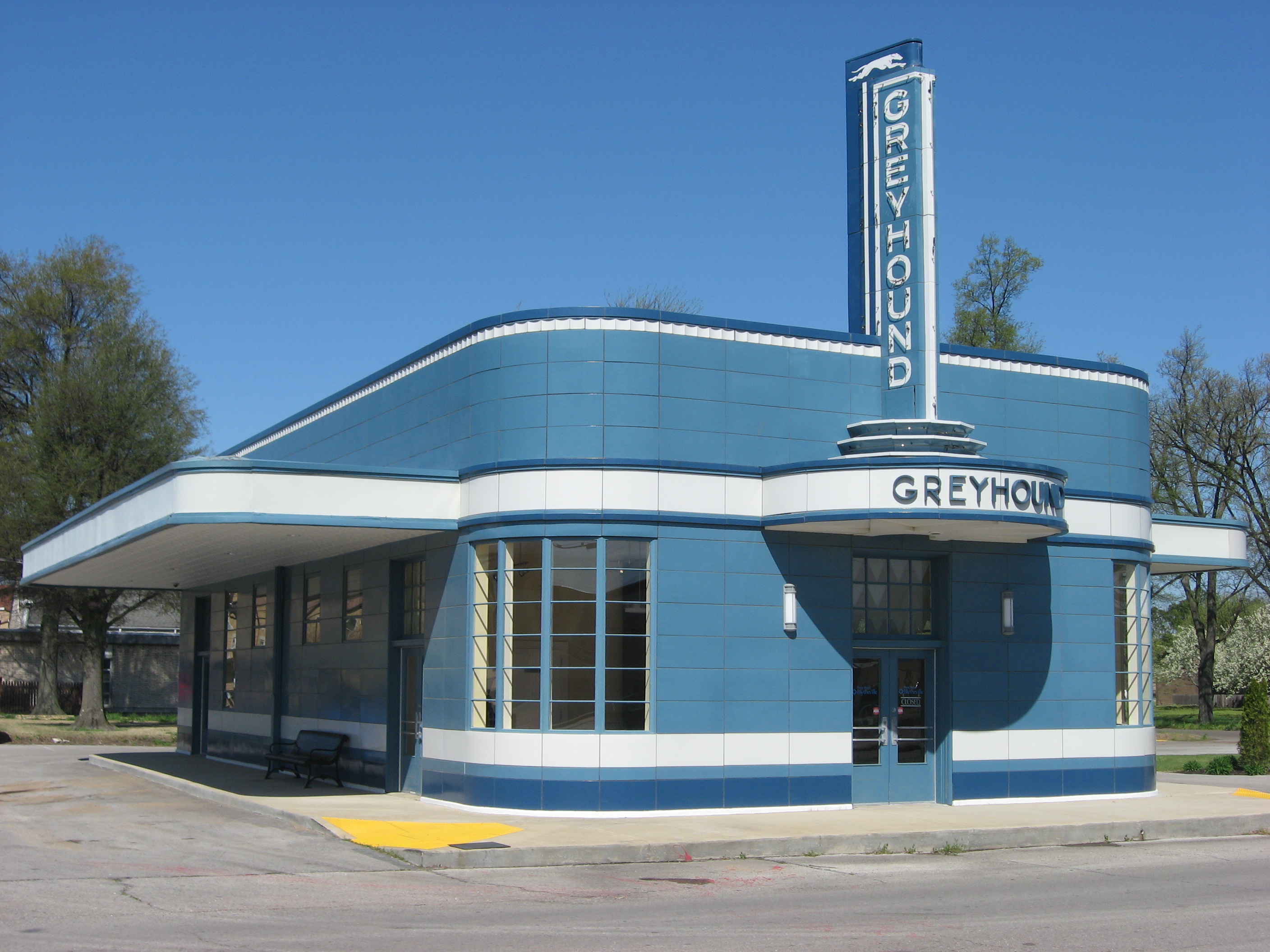
Downtown Blytheville anchors the community with a modest historic main street and the restored Ritz Civic Center, a former movie house that now functions as an event venue and gathering spot for local performances and meetings. The surrounding blocks include older brick storefronts, small restaurants, and the kind of locally owned businesses that give the city its unhurried, neighborly feel. The Delta Regional Airport sits on the edge of town, and the broad, open runway is a reminder of the area's aviation heritage, while the adjacent industrial park reflects a continuing role in logistics and light manufacturing.
A short drive east brings visitors to the Mississippi River itself, where small public access points and the broad agricultural floodplain offer wide skies and big-sky sunsets that the Delta is known for. The river is also a working waterway, with barges moving between Memphis and points north visible from several of the nearby county roads.
For prospective short-term-rental owners, Blytheville offers an affordable Mississippi Delta base within easy reach of Memphis, Big Lake National Wildlife Refuge, and the quiet rural landscapes of the surrounding county. Its combination of small-town character, regional access, and proximity to outdoor and cultural draws in the greater Mid-South makes it a practical fit for travelers seeking value and a slower pace.
Want to know if a property in Blytheville is a good investment?
Enter an address to get instant revenue potential and comps.