
Wrangell, Alaska
Want to see how Wrangell compares to other top cities in Alaska? Explore all city regulations in Alaska. →
Wrangell, AK
Generally Investor Friendly
STR Regulations for Wrangell, Alaska
Short-Term Rental Guide for Wrangell, Alaska
Overview
Short-term rentals ARE ALLOWED in Wrangell, Alaska, but require specific approvals and permits depending on zoning and location. The city operates under a conditional use permit system for STRs in certain zoning districts, as evidenced by active applications and public hearings before the Planning & Zoning Commission.
What do Airbnb hosts actually earn in Wrangell?
Wrangell hosts earn a median $25,901/year with $195 ADR and 56% occupancy.
Top performers pull in $35,173+ per year.
See the full Wrangell market breakdownHow to Start a Short-Term Rental Business in Wrangell
Step-by-Step Process:
- Determine Zoning Compliance: Identify your property's zoning classification through the Online Parcel Mapping system
- Conditional Use Permit Application: Submit a Conditional Use Permit application to the Planning & Zoning Commission for STR operation
- Public Hearing Process: Prepare for public notification and hearing (properties within 300 feet receive mailed notices)
- Commission Review: Present your case to the Planning & Zoning Commission
- Assembly Final Approval: Final approval typically requires Borough Assembly ratification
- Registration: Complete registration with relevant borough departments
Required Information for Applications:
- Property ownership documentation
- Detailed site plans and building descriptions
- Operational plans including parking, waste management
- Compliance with fire and safety codes
Required Documents, Permits, and Licenses
Primary Permits/Licenses:
-
Conditional Use Permit (CUP)
- Required for STR operation in most residential zoning districts
- Application submitted to Planning & Zoning Commission
- Public hearing mandatory
-
Business License
- State business license required
- Available through Alaska Department of Commerce
-
Borough Business Registration
- Registration with City and Borough of Wrangell
- Contact Finance Department for registration requirements
-
Fire and Safety Compliance
- Building safety inspections as required
- Fire department approval for occupancy
Specific Regulations by Level
City of Wrangell Regulations:
Zoning Requirements:
- STRs require Conditional Use Permits in Rural Residential 1 zones
- Specific zoning restrictions apply based on location
- Public hearing process mandatory for permit approval
- 300-foot notification radius for surrounding property owners
Operational Guidelines:
- Must comply with all applicable fire and life safety codes
- Building and property maintenance standards apply
- Parking requirements must be met
Borough-Level Considerations:
- Property tax implications for commercial STR operation
- Sales tax collection and remittance requirements
- Waste management and utility service responsibilities
State of Alaska Requirements:
Bed & Breakfast Standards (applicable to STR operations):
- Owner-occupied private residences with five or fewer rental rooms
- Public accommodations with more than five rental rooms subject to additional requirements
- Fire & life safety compliance required for operations with more than five rooms
- Pool and spa regulations may apply
- Americans with Disabilities Act (ADA) compliance for larger operations
- Food permits required if serving meals
State Tax Requirements:
- Sales tax collection and remittance
- Hotel/motel bed tax obligations
- Income tax reporting requirements
Contact Information for Local Authority
Primary Contacts:
Planning & Zoning Department:
- Address: P.O. Box 531, Wrangell, AK 99929
- Email: kthomas@wrangell.com
- Phone: (907) 874-2381
- Office Hours: 8:00 AM - 4:00 PM, Monday through Friday
Economic Development Department:
- Contact through Planning & Zoning Commission
- Handles business development and permit assistance
Fire Department:
- Contact for safety inspections and compliance
- Address: City and Borough of Wrangell Fire Department
Borough Manager:
- Overall borough administration oversight
- P.O. Box 531, Wrangell, AK 99929
Meeting Schedule and Process
Planning & Zoning Commission Meetings:
- Regular meetings typically held on Thursdays at 5:30 PM
- Location: Nolan Center classroom (note: meeting location changed from City Hall)
- Meeting packets available through Borough website calendar
- Public encouraged to attend
Application Process Timeline:
- Application submission to Planning Department
- Staff review and preparation of public notices
- 300-foot radius property owner notification
- Public hearing at Planning & Zoning Commission meeting
- Commission recommendation to Borough Assembly
- Assembly final approval process
Important Notes for STR Investors
Market Context:
- Wrangell has a smaller STR market compared to larger Alaska communities
- Tourism Best Management Practices Hotline available for complaints: (907) 874-2381
- Strong local control with detailed permit review process
Compliance Requirements:
- Strict adherence to conditional use permit conditions
- Regular inspections and compliance monitoring
- Community engagement expected during public process
Source Links
- Planning & Zoning Commission: www.wrangell.com/pz/planning-zoning-commission-2
- Online Parcel Mapping: www.wrangell.com/planning/online-parcel-mapping-and-data
- Borough Calendar: www.wrangell.com/calendar
- Municipal Code: ecode360.com/WR4331
- Fee and Rate Schedule: www.wrangell.com/finance/borough-fee-rate-schedule
- Forms and Applications: www.wrangell.com/forms
- Tourism Best Management Practices: travelwrangell.com/tbmphotline
Disclaimer: This guide is based on available public information as of the provided search results. Regulations may change, and investors should consult directly with the Planning & Zoning Commission and Borough Assembly for the most current requirements and application procedures.
Next step
Found a property in Wrangell?
Paste any address and get estimated revenue, cash-on-cash return, and comparable STR performance in under 5 minutes. 3 free analyses per day.
Free brief
Get the free Wrangell STR Investment Brief
Revenue data, top neighborhoods, seasonal trends, and the key regulations for Wrangell, Alaska in one email.
Wrangell
Market Saturation Score
Photos of Wrangell


Overview of Wrangell
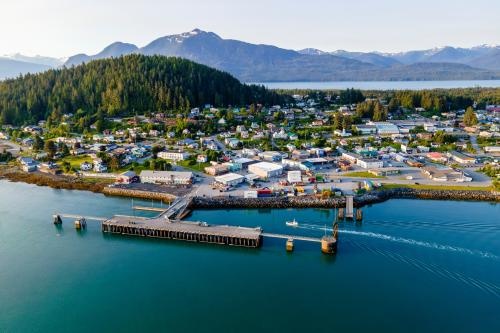
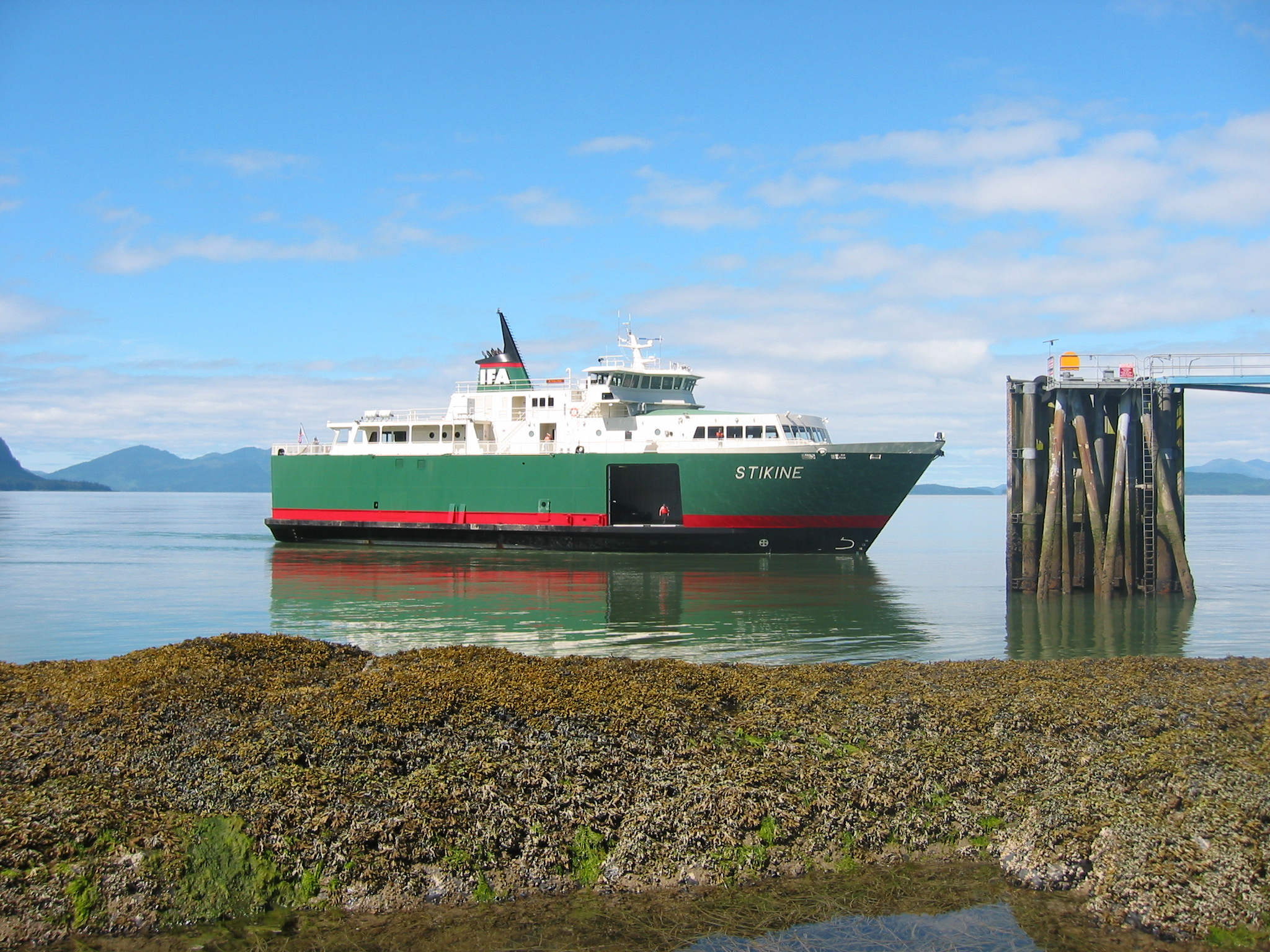
Wrangell is a small coastal community on Wrangell Island in southeastern Alaska, in the Wrangell Census Area, with a population of roughly 2,500 residents. It carries the distinction of being the only place in Alaska governed by four nations in succession — the Tlingit, Russia, Great Britain, and the United States — and its working-harbor, frontier feel, mixed with deep Tlingit and Russian-American heritage, gives it a layered character unusual even by Alaska standards. The town sits about 150 miles south of Juneau, the nearest major city, and roughly 80 miles northwest of Ketchikan, accessible primarily by ferry and small-plane service. Wrangell is best known as the gateway to the Stikine River and as one of the oldest continuously inhabited places on the Alaska Panhandle.
Just a short walk from the ferry terminal and downtown docks, Petroglyph Beach is one of Wrangell's most distinctive local draws. At low tide the exposed rocks reveal dozens of ancient Tlingit and Tlingit-influenced carvings of faces, animals, and abstract forms, some believed to be more than a thousand years old. The beach sits within the town itself, requiring no boat or vehicle, and is paired with a small on-site interpretive shelter that helps visitors make sense of the images.
A short drive or boat ride north of town brings visitors to the Stikine River, one of the largest undammed river systems in North America and a magnet for jet-boat tours, sport fishing, and wilderness floats. The river corridor, much of it protected within the Stikine-LeConte Wilderness, draws travelers interested in the kind of road-less, river-locked Alaska that Wrangell has long served as a launch point for. Local outfitters run day trips upriver to dramatic canyons, hot springs, and seasonal wildlife concentrations at the delta.
About 30 miles southeast of Wrangell, accessible by floatplane or boat, the Anan Wildlife Observatory offers one of the most accessible brown and black bear viewing sites in Southeast Alaska. A short boardwalk leads to a covered observation deck overlooking a salmon-rich creek where bears congregate in midsummer, and the site is typically reached on a half-day excursion from town. Closer in, the historic Chief Shakes Tribal House and the local museum hold Tlingit clan house posts, regalia, and artifacts tied to the community's living Indigenous heritage.
Wrangell appeals to short-term rental owners because it sits at a natural crossroads of Alaska Panhandle travel, pairing cruise-ship and ferry-day traffic with independent travelers seeking bear viewing, river trips, and the kind of quiet, off-the-beaten-path experience that Juneau and Ketchikan no longer offer in the same form. Its small size keeps nightly rates modest, but the mix of drive-up and fly-in visitors, concentrated summer season, and easy access to the Stikine, the wildlife observatory, and surrounding wilderness gives the market a steady, experience-driven demand base.
Want to know if a property in Wrangell is a good investment?
Enter an address to get instant revenue potential and comps.