
Koyukuk, Alaska
Want to see how Koyukuk compares to other top cities in Alaska? Explore all city regulations in Alaska. →
Koyukuk, AK
Generally Investor Friendly
Local STR Agent
Local STR Agent
STR Regulations for Koyukuk, Alaska
Overview: Are Short‑Term Rentals Allowed in Koyukuk, Alaska?
Explicit answer: Yes, short‑term rentals (STRs) are allowed in Koyukuk and the broader Yukon‑Koyukuk Census Area. There is no evidence of city‑specific or borough‑level STR licensing or zoning controls in the provided sources. As a result, STR hosting in Koyukuk is governed primarily by State of Alaska regulations (business licensing, tax, land use), local land-use controls that may apply to your property, and any federal constraints if the rental parcel adjoins or lies within Koyukuk National Wildlife Refuge (KNWR) lands. If your property is within or adjacent to the Refuge, federal permit requirements and environmental constraints will apply and could materially affect operations.
Key caveats:
- If your STR property is within or adjacent to the Koyukuk National Wildlife Refuge, commercial use of Refuge lands generally requires a U.S. Fish and Wildlife Service (USFWS) Special Use Permit (SUP). Hosting that utilizes Refuge lands (including access corridors, tent platforms, cabins, caches, or similar structures on Refuge property) is prohibited without an SUP (50 CFR 27.97; federal SUPs govern occupancy/structures).
- The Koyukuk Controlled Use Area (CUA)—primarily along the Koyukuk River corridor and portions of the Refuge—imposes aircraft use restrictions for moose hunting and other activities. Even if STRs are not hunting‑related, the CUA’s air operations limits may influence transport, fuel storage, and logistics for remote lodging operations on or near Refuge lands.
- Koyukuk is unincorporated; there is no city code or municipal STR program. Yukon‑Koyukuk Census Area zoning/tax administration is managed through the Unorganized Borough. State law governs the minimum requirements.
What do Airbnb hosts actually earn in Koyukuk?
Koyukuk hosts earn a median $24,428/year with $147 ADR and 60% occupancy.
Top performers pull in $31,184+ per year.
See the full Koyukuk market breakdownHow to Start a Short‑Term Rental Business in Koyukuk
-
Confirm site control and land status:
- Survey property boundaries and determine whether the parcel is private, state, or inholdings within the Refuge or adjacent to it.
- If any portion of the operation uses Refuge lands or waters (structures, platforms, caches, camps, transport staging on Refuge property, etc.), prepare for an SUP and SUP‑specific operating plan.
-
Obtain Alaska business licenses:
- Register a business name (optional) and secure a State of Alaska business license through the Department of Commerce, Community, and Economic Development.
- Obtain a sales tax tax‑id/registration and a municipality‑type tax contract (for the Unorganized Borough) through the Department of Revenue, Tax Division.
-
Comply with state housing and safety requirements:
- Adhere to statewide landlord/tenant and housing safety standards; implement necessary safety measures appropriate for remote operations (heating, smoke/CO detectors, egress, food storage to minimize wildlife attraction, emergency communications, etc.). State health regulations and sanitation standards may apply depending on sewage/waste handling methods.
-
Build a remote‑operations plan:
- Guest logistics: plan for river/air access, fuel storage, and waste management in accordance with Refuge policies if on/near Refuge lands; if fully private land, meet all applicable state/local requirements.
- Wildlife interaction protocols: store food/garbage properly, manage attractants, and follow bear‑aware practices.
- Communications: provide reliable communication systems for emergency scenarios given Koyukuk’s remoteness.
-
Insurance:
- Maintain adequate liability coverage. Note: For Refuge guided operations, USFWS requires minimum $300,000 each occurrence/$500,000 aggregate; while STRs are not guided operations, investors should carry a comparable or higher limit to protect against remote‑area risks and ensure lenders/insurers are comfortable.
-
Advertising and bookings:
- STR platforms typically require a tax id and proof of registration; comply with the platform’s listing rules.
- Provide clear access and logistics information to guests to avoid unauthorized use of adjacent Refuge lands.
-
Recordkeeping and reporting:
- Collect and remit sales tax monthly/quarterly as required by the Department of Revenue.
- Maintain logs of guest nights, revenues, and safety inspections if required by lender, insurer, or local authority.
- If operating under an SUP, submit annual guide/operator use reports and abide by permit conditions.
Required Documents, Permits, Licenses, and Guidelines
State‑level (required for STRs operating in Alaska, including Koyukuk)
- State of Alaska business license (Department of Commerce).
- Alaska tax id and municipal‑type tax registration; sales tax filings and remittances (Department of Revenue).
- Housing/health/safety compliance as applicable to rental lodging (state standards).
- Food storage and waste management plans appropriate to rural/wildlife settings.
Federal (only if using Koyukuk National Wildlife Refuge lands or waters for any lodging or related services)
- U.S. Fish and Wildlife Service Commercial Activities Special Use Permit (SUP).
- SUP application (FWS Form 3‑1383‑C) including operations plan, logistics/transportation, safety plan, and fuel storage details.
- Regional fuel storage policy compliance (spill prevention/containment).
- Compliance with 50 CFR 27.97 (commercial activities on National Wildlife Refuge System lands prohibited without authorization).
Local (Yukon‑Koyukuk Census Area/Unorganized Borough)
- Property tax registration and assessment through Unorganized Borough (Yukon‑Koyukuk Census Area); there is no evidence of a city STR permit.
- Comply with any local/regional zoning or land‑use rules applicable to your parcel (confirm with Unorganized Borough planning).
Specific Regulations: Koyukuk, County, and State
Federal (Koyukuk National Wildlife Refuge)
- Commercial activities on Refuge lands are prohibited except as authorized by an SUP (50 CFR 27.97). Any lodging, cabins, tent platforms, caches, or camps on Refuge property require an SUP with an approved operations plan.
- In Wilderness areas within the Refuge, use is further constrained; no motorized equipment is permitted in designated Wilderness areas. Camps must be constructed of materials that blend with surroundings and be managed to protect wilderness character.
- Koyukuk Controlled Use Area: restrictions on aircraft use apply to moose hunting and related support. While not specific to STRs, these restrictions may limit air support for remote lodging operations if any component occurs on or is staged from Refuge lands.
- SUP holders must maintain liability insurance ($300k/$500k minimum), provide emergency communication plans and safety plans, and submit annual use reports.
County/Unorganized Borough (Yukon‑Koyukuk Census Area)
- No city STR licensing or zoning was identified. Property taxation is administered through the Unorganized Borough; Yukon‑Koyukuk Census Area handles land tax assessment and collection.
- Where local land‑use rules exist, they typically apply to lot lines, setbacks, shoreline setbacks, waste systems, and building. Investors should confirm these on a parcel‑specific basis.
State of Alaska
- Business licensing: operate under a valid Alaska business license; STRs are considered commercial lodging activities subject to state taxation.
- Sales tax/municipal tax: register and collect/remit taxes to the Department of Revenue; the Unorganized Borough holds municipal‑type tax authority for these areas.
- Housing/safety/environment: comply with state landlord/tenant rules and health/sanitation standards; manage food/garbage to avoid wildlife attractants; obtain any required waste permits if not served by approved municipal systems.
- Land status: private lands are outside Refuge authority. State and Native corporation lands occur within and adjacent to the Refuge and require landowner authorization distinct from the Refuge.
Contact Information (for licensing, permits, and assistance)
-
U.S. Fish and Wildlife Service, Koyukuk National Wildlife Refuge
- Phone: (907) 656‑1231 (weekdays, 8:00 am to 4:30 pm)
- Mailing Address: P.O. Box 287, Galena, Alaska 99741
- Refuge website (maps and Refuge information): www.fws.gov/refuge/koyukuk
- For SUP applications and coordination: Regional Permits Coordinator, National Wildlife Refuge System – Alaska, 1011 East Tudor Road, MS 235, Anchorage, Alaska 99503
-
Alaska Department of Commerce, Community, and Economic Development (business licensing)
- Phone/website: use the department’s portal and contact lines listed on the official State of Alaska website
-
Alaska Department of Revenue, Tax Division (sales tax/municipal‑type tax)
- Phone/website: use the division’s portal and contact lines listed on the official State of Alaska website
-
Yukon‑Koyukuk Census Area / Unorganized Borough (property tax and local land‑use inquiries)
- Contact through the Unorganized Borough’s regional assessment and clerk offices; verify parcel‑specific zoning and setback requirements
Note: Koyukuk is an unincorporated community without a city manager or municipal STR office. All STR licensing, tax, and zoning questions are routed through state agencies and the Unorganized Borough.
Source Links
- Koyukuk National Wildlife Refuge – maps and Refuge information: www.fws.gov/refuge/koyukuk
- USGS 1:63,360 topographic maps (camp/structure mapping requirement for SUPs): ngmdb.usgs.gov/topoview/viewer/
- FWS Freedom of Information Act portals for permit/land use records:
Action items for investors
- Confirm parcel land status (private vs. state/Native corporation vs. Refuge) before committing.
- If any part of the STR operation uses Refuge lands, initiate the SUP process early (permit term, insurance, safety/operations plan, fuel storage policy).
- Register for Alaska business and tax accounts; set up sales tax compliance workflows.
- Document remote‑operations safety, waste, wildlife management, and communications; review CUA/aircraft constraints if staging or supply runs involve Refuge areas.
- Maintain comprehensive liability insurance and clean recordkeeping to support lender, insurer, and regulatory reviews.
Next step
Found a property in Koyukuk?
Paste any address and get estimated revenue, cash-on-cash return, and comparable STR performance in under 5 minutes. 3 free analyses per day.
Free brief
Get the free Koyukuk STR Investment Brief
Revenue data, top neighborhoods, seasonal trends, and the key regulations for Koyukuk, Alaska in one email.
Koyukuk
Market Saturation Score
Photos of Koyukuk
Overview of Koyukuk
Koyukuk is a small, predominantly Alaska Native village in the Yukon-Koyukuk Census Area of western interior Alaska, situated near the historic meeting point of the Koyukuk and Yukon rivers. With a population of approximately 80 to 90 residents, the community is part of the Koyukon Athabascan cultural group and maintains a traditional subsistence lifestyle centered on salmon fishing, moose hunting, and trapping. The village's remote location, with no road access, gives it the feel of a genuine wilderness outpost, and it serves as a gateway to the vast interior Alaskan river country. The nearest major city is Fairbanks, located roughly 300 air miles to the southeast, with access to the village typically provided by small aircraft.
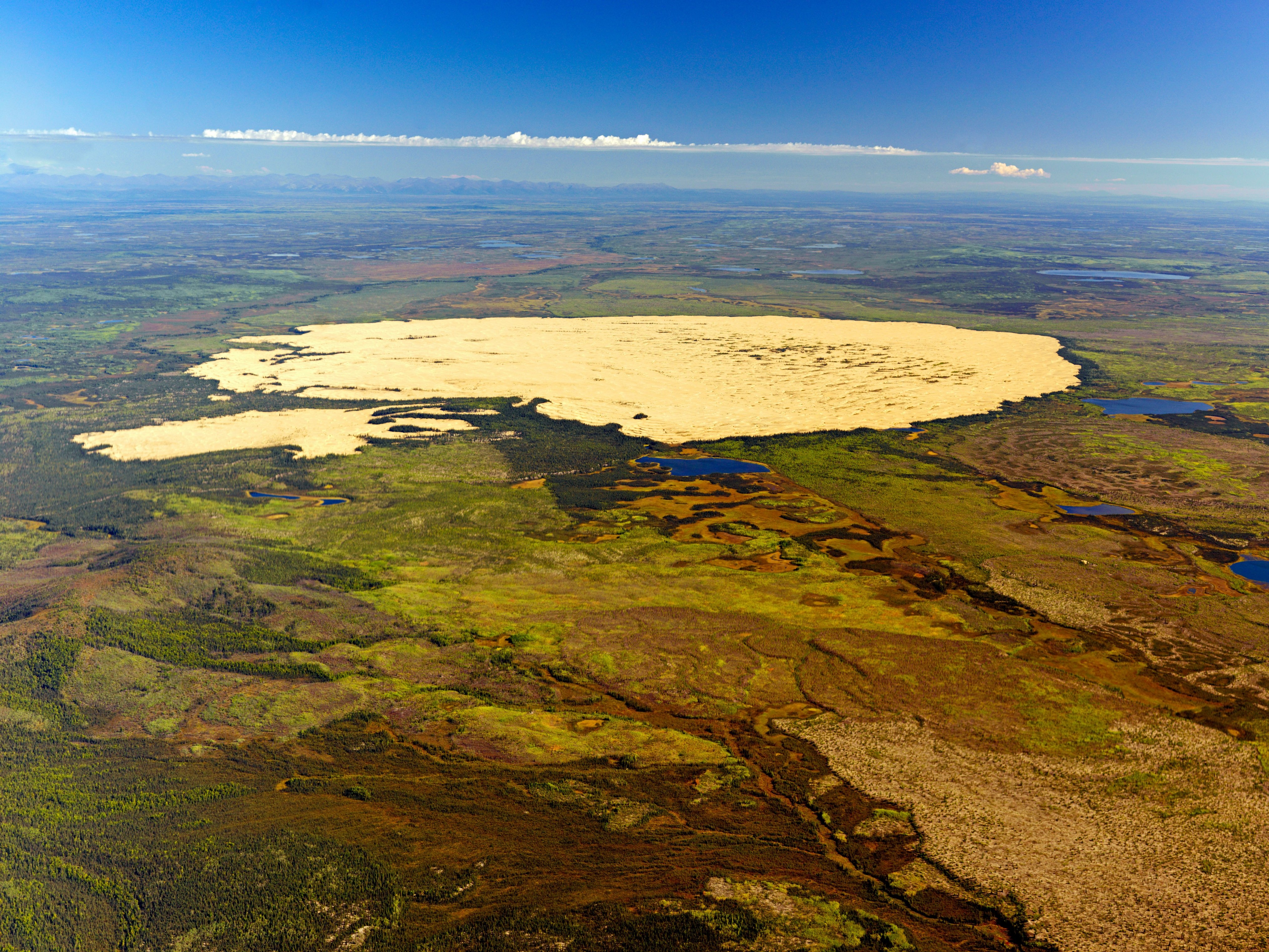
The Koyukuk River is the defining geographic feature of the area, flowing south from the Brooks Range to meet the Yukon at the village. The river is one of Alaska's major salmon streams, drawing seasonal visitors interested in remote sport fishing and wilderness travel, though infrastructure is minimal and travelers must be largely self-sufficient. The river corridor is flanked by spruce forest, wetlands, and low hills that support moose, bears, and migrating waterfowl, offering a true off-grid Alaskan experience.
At the village, the Yukon River becomes the dominant waterway, one of the longest rivers in North America and a route that has served Indigenous peoples for thousands of years before becoming the spine of the Klondike-era sternwheeler network. The stretch near Koyukuk remains active with subsistence camps and seasonal fish wheels, and travelers arriving by boat can explore a network of sloughs and tributaries branching into the surrounding taiga.
For those willing to venture further, the broader Yukon-Koyukuk region encompasses a vast expanse of roadless wilderness that forms the heart of interior Alaska. Major protected areas such as Gates of the Arctic National Park lie across the Arctic Circle to the north, but the country around Koyukuk shares much of the same character: expansive boreal forest, salmon-rich rivers, and exceptionally dark skies that make it ideal for aurora viewing in winter.
Koyukuk's appeal as a short-term rental base lies in its authenticity and isolation. Visitors who make the journey, almost always by small plane, find a community deeply tied to its land and rivers and a launching point for some of interior Alaska's most unspoiled country. The combination of genuine cultural depth, world-class fishing, dark northern skies, and proximity to the legendary Yukon River makes the village a memorable destination for travelers seeking an Alaska far removed from the cruise-ship crowds.
Want to know if a property in Koyukuk is a good investment?
Enter an address to get instant revenue potential and comps.