
Kotzebue, Alaska
Want to see how Kotzebue compares to other top cities in Alaska? Explore all city regulations in Alaska. →
Kotzebue, AK
Very Investor Friendly
STR Regulations for Kotzebue, Alaska
Overview: Are short‑term rentals allowed in Kotzebue, AK?
- Short‑term rentals are allowed in Kotzebue, Alaska. There are no municipal or borough‑level regulations restricting STRs in the provided materials. The state’s Alaska Uniform Residential Landlord and Tenant Act (AS 34.03.010–34.03.380) does not apply to short‑term rentals; it expressly excludes “hostels, hotels or motels, Airbnbs, temporary housing at a shelter or supportive housing program, or any type of commercial property,” as well as guests staying without paying rent. This means the Act’s landlord–tenant rules (e.g., security deposits, eviction processes, habitability standards) do not govern STRs unless a guest remains 30 days or more and becomes a tenant under a residential rental arrangement, at which point the Act would apply.
- As of the provided content, there are no Kotzebue‑ or Northwest Arctic Borough‑specific STR ordinances, permits, licensing schemes, or taxes identified. Investors should verify locally whether any subsequent ordinances have been adopted after June 2025.
- Because no city/borough contacts or STR rules are provided, the guide uses state‑level obligations and practical steps that will typically apply in Kotzebue.
What to make of the landlord–tenant law for STRs
- The Alaska Landlord & Tenant Act establishes the legal framework for residential tenancies of 30 days or more, not for transient lodging such as typical STR rentals. If you run an STR that consistently books guests for 30+ days, the Act can begin to govern the relationship, transforming the guest into a tenant with rights and obligations (e.g., security deposit handling, habitability standards, notice requirements).
- STR operators are not “residential landlords” under the Act when providing lodging on a transient basis. Compliance with the Act, including tenant protections, would be required only once a guest’s stay crosses into tenancy territory (e.g., 30 days or more and/or an oral/written lease).
How to start a short‑term rental business in this market (Kotzebue and Northwest Arctic Borough)
- Confirm zoning and land‑use allowances
- STRs are typically operated as lodging businesses in residentially zoned areas in many Alaska communities, but confirm Kotzebue’s zoning and any Conditional Use Permits (CUPs) for short‑term lodging with the City of Kotzebue or the Northwest Arctic Borough Planning & Zoning.
- Business registration and local taxes
- Register your STR entity and obtain any required business license from the State of Alaska, the City of Kotzebue (if applicable), and/or the Northwest Arctic Borough.
- Determine sales tax obligations. Many Alaska boroughs/cities levy a sales tax on lodging; Kotzebue historically levied local sales tax. Confirm the current rate and applicability to STR lodging with the borough or city.
- Insurance and taxes
- Secure appropriate lodging/property insurance and consider loss‑of‑income coverage. For short‑stay lodging operations, general liability and property coverage should reflect guest occupancy and commercial lodging activity.
- Coordinate with a tax professional for federal and state tax obligations and any borough‑level lodging taxes.
- Health and safety compliance
- Ensure the STR meets applicable fire safety, carbon monoxide/smoke detector, and essential services standards appropriate for lodging. While Kotzebue‑specific lodging codes are not provided in your sources, adopt best‑practice standards for guest safety.
- Platform listing and agreements
- Use platform‑provided listing agreements and a concise house rules/occupancy policy. If any booking crosses 30 days or becomes a tenancy, consider using the state’s sample notice forms to properly document the transition into a residential lease (see “Important Forms and State‑Level Landlord‑Tenant Resources” below).
- Collection and policies
- Define payment terms, deposits, and cancellation policies. For stays <30 days, the Act’s security‑deposit limits and notices do not apply; for longer stays or renewals that create a tenancy, follow AS 34.03.070 limits (security deposit/prepaid rent generally ≤ two months’ rent; pet deposit up to one month allowed for non‑service animals).
- Operations and guest management
- Establish clear occupancy limits, quiet hours, parking rules, and a complaint escalation procedure. If guest stays become tenancy‑like, ensure you comply with the Act’s entry notice rules (generally 24 hours’ notice and reasonable times).
Required documents, permits, licenses, and guidelines
- City/Borough permits and zoning confirmation
- Confirm whether a business license, CUP, or lodging permit is required in Kotzebue or the borough. (Not provided in the sources; verify with local authorities.)
- State business registration
- Register your entity and obtain any required state business license for lodging operations.
- Sales tax and lodging tax registration
- Register to collect and remit local sales tax and any lodging tax if applicable in Kotzebue/Northwest Arctic Borough.
- STR operating policies
- House rules, occupancy limits, guest policies, deposit/fees policy, and housekeeping standards.
- Insurance
- General liability and property insurance with lodging coverage appropriate to guest occupancy.
- Federal compliance (where applicable)
- Lead‑based paint disclosures for pre‑1978 housing if guests may occupy for ≥30 days (federal EPA requirement). The Alaska Act references lead‑based paint disclosure duties for residential rentals; STRs should treat the disclosure similarly when a tenancy could result.
- Tax filings
- Federal income tax filings (Schedule C, E, etc.), and any state filings tied to lodging businesses and local taxes.
Specific regulations at city, county, and state level
- City/Kotzebue
- No city‑specific STR regulatory framework is provided in the materials. Investors should confirm with City of Kotzebue Planning/Zoning for current rules.
- Northwest Arctic Borough
- No borough‑specific STR regulations are provided in the sources. Confirm any borough‑level lodging requirements or zoning allowances with borough planning.
- State of Alaska
- No state statute specifically regulates STRs as lodging. State law applies the Alaska Uniform Residential Landlord and Tenant Act to traditional residential tenancies (≥30 days or otherwise creating tenancy), not to transient lodging such as STRs, hostels, hotels/motels, or commercial properties. Key state‑level points relevant to operations that may touch on STRs include:
- Security deposit and prepaid rent: If a guest becomes a tenant (≥30 days), deposits/prepaid rent generally cannot exceed two months’ rent; pet deposit up to one month is allowed for non‑service animals; deposits must be held in trust and accounted for separately. The Act requires written receipts and itemized accounting upon move‑out.
- Discrimination: State and federal laws prohibit discrimination in housing based on protected classes (e.g., race, sex, religion, national origin, color, disability, pregnancy, marital status under Alaska law). For lodging businesses, adopt non‑discriminatory screening consistent with applicable fair‑housing principles.
- Entry and inspections: For tenants under the Act, landlords must provide 24 hours’ notice and reasonable access times for repairs, inspections, showings, etc., except in emergencies. For STRs, practical access notices and privacy protections are best practice, especially where stays are <30 days.
- Essential services: If a tenancy is created (≥30 days), the landlord must ensure fit and habitable conditions, including heat, water, and safe premises; tenants have remedies (e.g., repair‑and‑deduct, substitute housing) for essential‑service failures.
- Abandoned belongings and eviction processes: If a tenancy exists, follow the Act’s rules on service of notices (to quit), timelines for termination, abandoned property handling, and FED (Forcible Entry and Detainer) actions. The provided materials include Alaska Court System information and links to free mediation for eviction disputes.
- No state statute specifically regulates STRs as lodging. State law applies the Alaska Uniform Residential Landlord and Tenant Act to traditional residential tenancies (≥30 days or otherwise creating tenancy), not to transient lodging such as STRs, hostels, hotels/motels, or commercial properties. Key state‑level points relevant to operations that may touch on STRs include:
- Federal considerations (where applicable)
- Lead‑based paint disclosures for pre‑1978 housing if a tenancy may occur. HUD and state fair‑housing contact information for discrimination complaints is provided in the Alaska materials.
Contact information (local authority in charge of STRs)
- Because no Kotzebue or Northwest Arctic Borough STR authority is specified in the provided sources, you must confirm contacts directly with local government. The Alaska Department of Commerce, Community, and Economic Development maintains municipal and borough directory information; contact the City of Kotzebue and Northwest Arctic Borough to determine the current STR permitting and zoning authority.
Important forms and state‑level landlord‑tenant resources (relevant if a tenancy is formed)
- The Alaska materials include sample notice forms for residential tenancies that become relevant only if a guest’s stay crosses into tenancy. These include:
- NOTICE TO TENANT OF TERMINATION OF MONTH‑TO‑MONTH TENANCY (NOTICE TO QUIT)
- NOTICE TO TENANT OF TERMINATION OF WEEK‑TO‑WEEK TENANCY (NOTICE TO QUIT)
- NOTICE TO TENANT OF TERMINATION OF TENANCY FOR NONPAYMENT OF RENT
- NOTICE TO TENANT OF TERMINATION OF TENANCY FOR NONPAYMENT OF UTILITIES
- NOTICE TO TENANT OF TERMINATION OF TENANCY FOR VIOLATION OF AGREEMENT/LAW
- NOTICE TO TENANT OF TERMINATION OF TENANCY FOR INTENTIONAL DAMAGE TO PREMISES
- NOTICE TO TENANT OF TERMINATION OF TENANCY FOR ILLEGAL ACTIVITY ON THE PREMISES OR USE OF PREMISES FOR ILLEGAL PURPOSE
- NOTICE TO TENANT OF INCREASE IN RENT OF MONTH‑TO‑MONTH TENANCY
- LANDLORD’S SECURITY DEPOSIT OFFSET STATEMENT
- The Alaska Court System offers free mediation for eviction disputes. For more information, see the Alaska Court System website or call 907‑264‑0883.
- Fair‑housing complaint resources:
- Alaska State Commission for Human Rights: 1901 Bragaw Street, Suite 300, Anchorage, AK 99508. Phone: (907) 274‑4692. Complaint Hotline: (800) 478‑4692 (toll free). Website: humanrights.alaska.gov/. Email: hrc@alaska.gov
- U.S. Department of Housing and Urban Development (Fair Housing): 3000 C Street, Suite 401, Anchorage, AK 99503. Phone: (907) 677‑9800. TTY: (907) 677‑9825. Website: www.hud.gov/fairhousing/fileacomplaint
- Anchorage Equal Rights Commission: 632 W. 6th Avenue, Suite 110, Anchorage, AK 99501. Phone: (907) 343‑4342. TTY/TDD: Dial 711 for Alaska Relay Services. Fax: (907) 249‑7328. Website: www.muni.org/departments/aerc. Email: aerc@muni.org
- Alaska Legal Services’ Fair Housing Project: 1‑855‑679‑FAIR (3247)
Links to source pages (if available)
- Alaska Department of Law — The Alaska Landlord & Tenant Act (PDF): law.alaska.gov/pdf/consumer/LandlordTenant_web.pdf
- Alaska State Commission for Human Rights: humanrights.alaska.gov/
- U.S. Department of Housing and Urban Development — Fair Housing: www.hud.gov/fairhousing/fileacomplaint
- Alaska Court System: see Alaska Department of Law resource for mediation information and forms (phone 907‑264‑0883)
- Municipality of Anchorage — Equal Rights Commission: www.muni.org/departments/aerc
Investor checklist and action plan
- Confirm with local planning/zoning whether your proposed STR location is permissible without a CUP or additional permits.
- Register your business and obtain all required licenses at state/city/borough levels.
- Register to collect and remit any applicable local sales and lodging taxes.
- Secure appropriate insurance for lodging operations and guest occupancy.
- Draft clear STR house rules and occupancy limits; set deposits and cancellation policies.
- Ensure safety and essential services standards consistent with best practices for guest lodging.
- If a booking extends to 30+ days, be prepared to comply with the Alaska Landlord & Tenant Act and use appropriate notices and accounting procedures.
- Establish procedures for guest access, privacy, and complaint resolution; include incident reporting and emergency contacts.
- Set up a system for timely tax filings and documentation to support audit readiness.
- Verify local contact information for permitting and zoning to stay current with any future STR ordinances.
Bottom line
- STRs are allowed in Kotzebue and are not regulated by the Alaska Landlord & Tenant Act when operating as transient lodging. If any stay crosses into tenancy (e.g., 30+ days), state residential tenancy laws apply. Since no Kotzebue or Northwest Arctic Borough STR rules were provided, investors should confirm with local authorities for zoning, permits, licensing, and taxes. Use the state’s forms and contacts where applicable to ensure compliance if your STR activity ever transitions into residential tenancy.
What do Airbnb hosts actually earn in Kotzebue?
Kotzebue hosts earn a median $40,554/year with $204 ADR and 71% occupancy.
Top performers pull in $41,841+ per year.
See the full Kotzebue market breakdownNext step
Found a property in Kotzebue?
Paste any address and get estimated revenue, cash-on-cash return, and comparable STR performance in under 5 minutes. 3 free analyses per day.
Free brief
Get the free Kotzebue STR Investment Brief
Revenue data, top neighborhoods, seasonal trends, and the key regulations for Kotzebue, Alaska in one email.
Kotzebue
Market Saturation Score
Photos of Kotzebue

Overview of Kotzebue
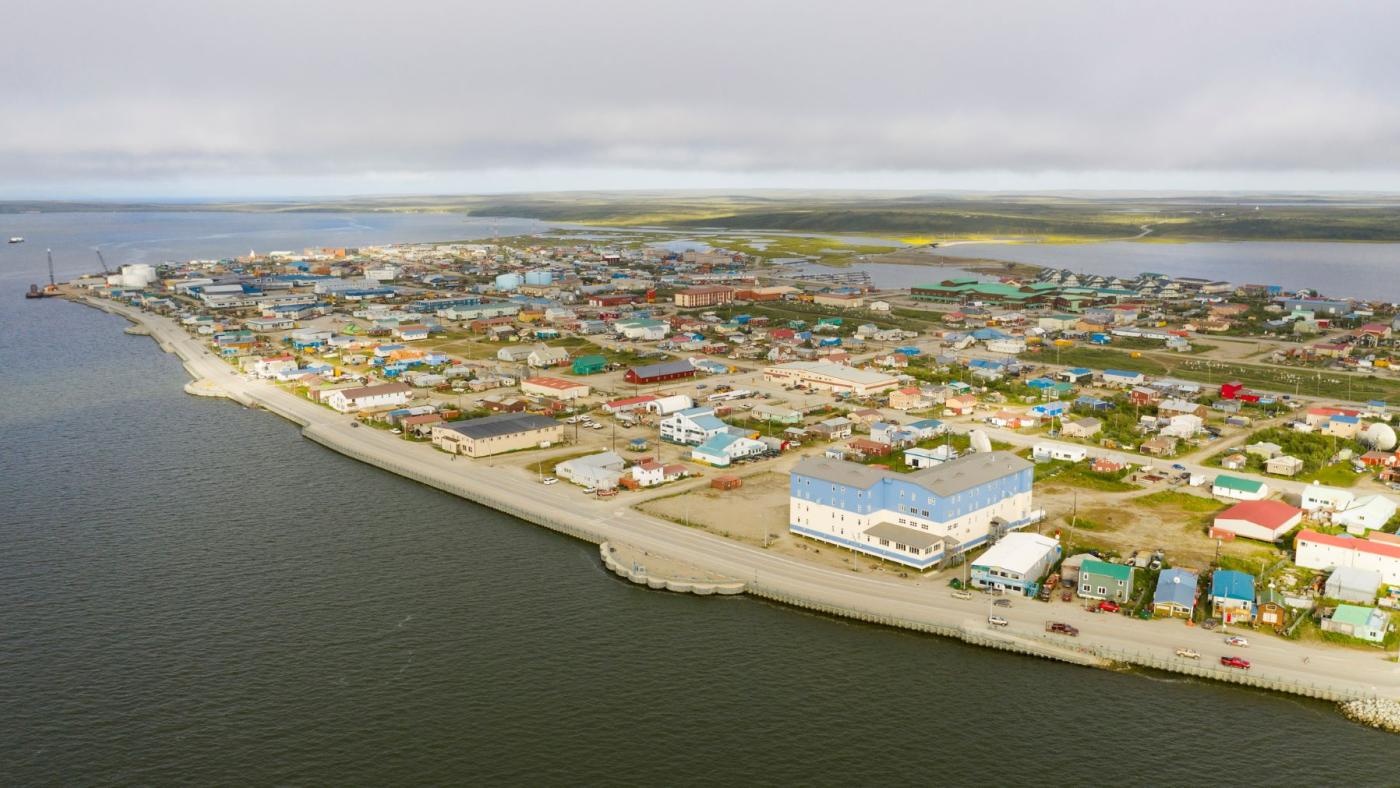
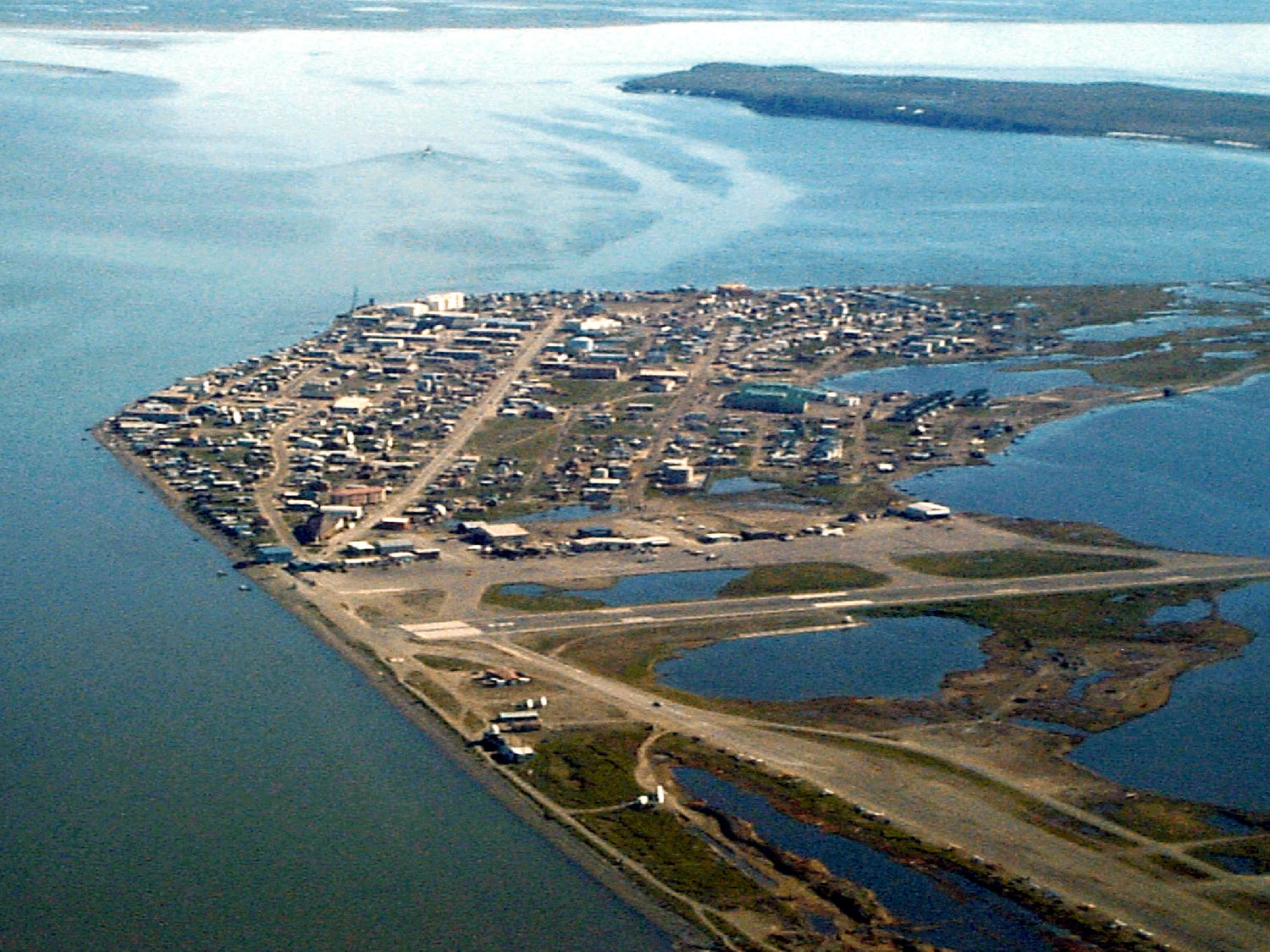
Kotzebue sits on a gravel spit along the Chukchi Sea at the convergence of the Kobuk and Noatak rivers in northwestern Alaska, serving as the administrative and cultural hub of the Northwest Arctic Borough. With a population of approximately 3,000 residents, predominantly Iñupiat, the town radiates a remote, tight-knit Arctic character defined by tundra landscapes, subsistence traditions, and the rhythms of polar light. Best known as the gateway to the great wilderness preserves of the western Arctic, Kotzebue is reached primarily by air, sitting roughly 550 air miles north of Anchorage and roughly 330 air miles northwest of Fairbanks, with no road connections to the rest of the state.
The Noatak National Preserve lies just inland from Kotzebue, encompassing the entire Noatak River basin and protecting one of the largest mountain-ringed river valleys in the world. The preserve is a launchpad for float trips, wildlife viewing, and backcountry adventure, with its lower reaches typically accessed by small aircraft from the Kotzebue airfield.
To the east, Kobuk Valley National Park offers a strikingly different Arctic landscape, anchored by the towering Great Kobuk Sand Dunes and the seasonal migration of the Western Arctic caribou herd. Because there are no roads, trails, or visitor facilities within the park itself, travelers typically fly in from Kotzebue for guided day trips or overnight expeditions, making the town the de facto staging area for the entire region.
Within town, the Northwest Arctic Heritage Center, operated by the National Park Service, functions as a ranger station and visitor hub, with interpretive exhibits on Iñupiat culture, the surrounding preserves, and the broader Arctic ecosystem. The surrounding coastal tundra and Baldwin Peninsula invite short walks and birdwatching during the long summer days, when the sun barely sets above the Arctic Circle.
Kotzebue's appeal as a short-term rental base lies in its role as the only real service hub for hundreds of miles of pristine Arctic wilderness. Visitors typically stay for a few nights between flight arrivals and guided excursions into the national preserves, for cultural events, or for the singular experience of standing on the edge of two seas above the Arctic Circle. The combination of limited lodging supply, year-round scheduled air access, and proximity to multiple nationally protected landscapes makes the town a natural anchor for travelers exploring America's last great wilderness frontier.
Want to know if a property in Kotzebue is a good investment?
Enter an address to get instant revenue potential and comps.