
Delta Junction, Alaska
Want to see how Delta Junction compares to other top cities in Alaska? Explore all city regulations in Alaska. →
Delta Junction, AK
Generally Investor Friendly
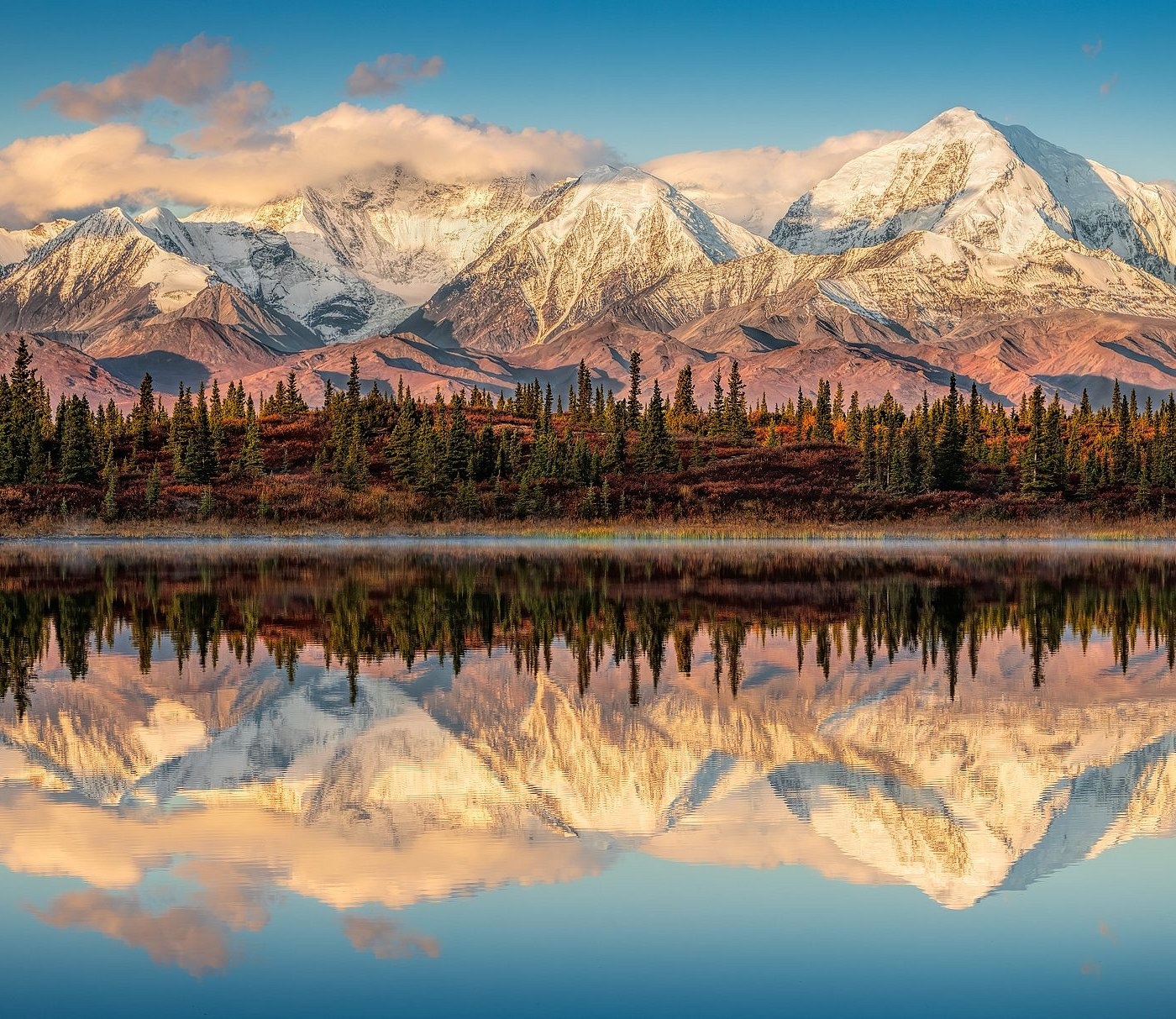
STR Regulations for Delta Junction, Alaska
Note: Unincorporated areas do not have a municipal authority; all information below is state‑level unless otherwise indicated.
Overview: Are STRs allowed in Delta Junction?
Short‑term rentals are allowed in Delta Junction, Alaska. As an unincorporated community, Delta Junction has no city‑ or borough‑level ordinances that outright prohibit STRs. You must comply with all applicable Alaska state statutes and regulations (business licensing, state sales/room tax registration if taxable, and landlord/tenant laws). There is no local business license or local zoning permit known to be required for STRs in unincorporated Delta Junction. If your STR property is within a nearby municipality that later adopts local STR rules (e.g., Fairbanks North Star Borough), those rules could affect operations—check updates as they arise.
What do Airbnb hosts actually earn in Delta Junction?
Delta Junction hosts earn a median $12,748/year with $125 ADR and 40% occupancy.
Top performers pull in $19,850+ per year.
See the full Delta Junction market breakdownHow to Start a STR Business in this Market
- Register your business entity (if not a sole proprietorship) and obtain an Alaska entity number.
- Before applying for an Alaska Business License, entities must be formed/registered with the Corporations Section. See contact details below.
- Obtain an Alaska Business License before collecting rental income.
- You can license multiple lines of business under one license, and you must report and pay business license fees annually.
- Apply for an EIN (Employer Identification Number) with the IRS if you’ll operate under an entity (LLC, corporation, etc.). Sole proprietors can use SSN, but an EIN is strongly recommended for banking and tax separation.
- Set up tax accounts if you’ll collect state sales/room tax:
- If taxable in Alaska, register for “Business License” to obtain tax reporting privileges (general distinguishing between state sales and state room taxes occurs on returns).
- The State of Alaska Department of Revenue administers room/accommodations tax. Confirm applicability and rates with DOR if you’ll rent lodging.
- Decide on operating model:
- Whole‑unit rentals (e.g., entire home), private rooms in your primary residence, or Accessory Dwelling Units (ADUs) are generally permissible at the state level as business activities; ensure compliance with all applicable laws and health/safety standards.
- Secure appropriate insurance for short‑term rentals (general liability, property, and host protections).
- Open business banking, obtain appropriate banking and payment processing accounts.
- Establish bookings and listing strategy:
- Prepare listing content, photos, amenities, check‑in instructions, and cancellation policies.
- Comply with platform requirements (e.g., Airbnb’s hosting rules).
- Implement compliance documentation and recordkeeping for taxes, safety inspections (if applicable), and guest communications.
Required Documents, Permits, Licenses, and Guidelines
- Alaska Business License (required to engage in business and collect rental income)
- Obtain prior to operating; covers multiple lines of business under one license.
- Renewal annually; fees and license expiration dates vary by business activity.
- Statutory citation: AS 43.70.020(a), AS 43.70.110(1), AS 43.70.020(f)
- Guide: “How to Start Doing Business in Alaska” (state guidance).
- Entity registration (if operating as a corporation, LLC, LLP, LP, etc.)
- Required before obtaining an Alaska Business License.
- Alaska Statutes Title 10 governs entity registration.
- EIN (if operating under an entity or for banking convenience)
- Obtain from IRS; see links below.
- Tax registration (if taxable for state sales/room taxes):
- Register as a business taxpayer via the Business License portal for tax reporting privileges.
- Alaska currently does not impose a statewide sales tax on most goods or services; however, the state does impose a room/accommodations tax (commonly called “room tax” or “bed tax”). If your STR activity is subject to room tax, you must register and collect/remit accordingly.
- Determine applicability with the Department of Revenue.
- Optional: Sales tax for lodging in specific jurisdictions
- Some Alaska municipalities impose lodging sales taxes. Delta Junction is unincorporated and does not appear to impose a local lodging tax. If your STR unit is later situated within a municipality with local lodging tax, you must collect and remit it.
- Compliance documentation:
- “Landlord & Tenant” guidance and Alaska Uniform Residential Landlord and Tenant Act (AS 34.03.010–34.03.380).
- Guidance on landlord‑tenant rights and responsibilities (see links below).
- Safety, health, zoning:
- No city‑specific codes known for unincorporated Delta Junction. Ensure general health and safety standards, and confirm no local restrictions if your property falls near municipal boundaries.
- Other agencies:
- Review “Check with other agencies” resources for additional federal and state requirements that may apply.
Specific Regulations for STRs (City/County/State)
- State (Alaska):
- Business License: Required for any STR that collects rental income; operation is defined as a business under Alaska statutes.
- Business License fee schedule and license expiration dates vary by business type; renewal is annual.
- Room/Accommodations Tax: If your STR activity is subject to room tax, you must register and collect/remit the tax as required by the Department of Revenue.
- Landlord‑Tenant Law: The Alaska Uniform Residential Landlord and Tenant Act governs residential leases; STR operators must comply where applicable (e.g., guest stay length, housing codes).
- Professional Licensing: Certain activities may trigger additional licensing or inspections; consult the Division of Corporations, Business and Professional Licensing if applicable to your operation.
- Borough/Municipality:
- Delta Junction is unincorporated; there are no known city‑ or borough‑specific STR ordinances (zoning, permits, caps, or registration).
- Future changes:
- Nearby municipalities (e.g., Fairbanks North Star Borough) may consider or adopt STR regulations; investors should monitor public notices and municipal agendas for changes that could impact properties near corporate boundaries.
Contact Information
- Business Licensing Section (Department of Commerce, Community, and Economic Development, Division of Corporations, Business and Professional Licensing)
- Email: BusinessLicense@Alaska.Gov
- Phone (Anchorage): (907) 269‑8160
- Corporations Section (Entity registration/formation before obtaining business license)
- Email: Corporations@Alaska.Gov
- Professional Licensing Section (when applicable)
- Email: License@Alaska.Gov
- Department of Revenue (Tax administration; confirm room/accommodations tax applicability and reporting)
- Primary portal: Revenue Online (see link below)
- IRS (EIN and federal business tax)
- Website: Small Business & Self‑Employed (see link below)
- Landlord‑Tenant Resources (Alaska Department of Law)
- Landlord and Tenant Information (see link below)
Source Links
- State of Alaska: Business Licensing – AirBnB, mother‑in‑law apartments, and property rental FAQs
- Alaska Department of Revenue: Revenue Online (tax account registration/room tax inquiries)
- Alaska Department of Law: Landlord & Tenant Information
- IRS Small Business & Self‑Employed (EIN information and business tax)
- Alaska CBPL: Business Licensing Forms & Fees
- Alaska CBPL: License Expiration Dates
Investor‑level checklist (quick reference):
- Entity registration (if applicable)
- EIN
- Alaska Business License
- Tax account registration (if room tax applies)
- Insurance
- Bank/payment setup
- Platform listings and compliance
- Recordkeeping for taxes and landlord‑tenant requirements
This guide reflects state‑level requirements for unincorporated Delta Junction; since local ordinances may evolve, monitor relevant municipal and borough updates if your property proximity changes.
Next step
Found a property in Delta Junction?
Paste any address and get estimated revenue, cash-on-cash return, and comparable STR performance in under 5 minutes. 3 free analyses per day.
Free brief
Get the free Delta Junction STR Investment Brief
Revenue data, top neighborhoods, seasonal trends, and the key regulations for Delta Junction, Alaska in one email.
Delta Junction
Market Saturation Score
Photos of Delta Junction


Overview of Delta Junction
Delta Junction is a small community in interior Alaska, situated in the Southeast Fairbanks Census Area. With a population of roughly 1,000 residents, it carries the unofficial title of the "End of the Alaska Highway," marking the terminus of the famous road that begins in Dawson Creek, British Columbia. The town has a quiet, frontier character, surrounded by boreal forest, agricultural fields, and wide-open views of the Alaska Range. It sits approximately 160 miles southeast of Fairbanks, the nearest major city, and serves as a practical stopover and supply hub for travelers continuing south toward the Copper River basin or driving the loop back toward Tok and the Canadian border.
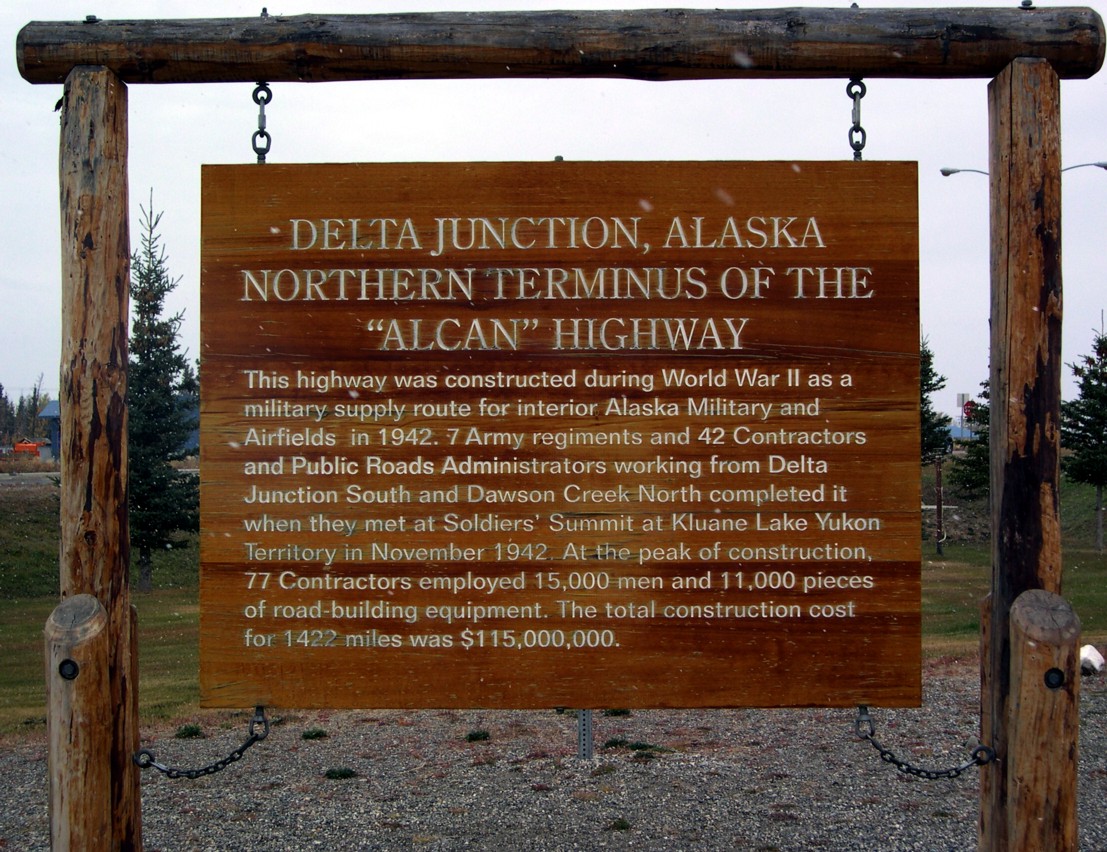
One of the most photographed landmarks in town is the End of the Alaska Highway monument, a colorful sign and interpretive display celebrating the completion of the original military supply route built during World War II. The site draws road-trippers who pause to read the panels and mark the milestone of reaching the highway's terminus at Delta Junction.
A short drive north of town, near the confluence of the Tanana and Delta rivers, lies Big Delta State Historical Park, home to the restored Rika's Roadhouse. The roadhouse dates to the early 1900s and once served travelers, traders, and sled drivers along the Valdez–Fairbanks Trail. Today the property functions as a small museum with original buildings, artifacts, and walking paths that give a clear sense of life on the early Alaskan frontier.
For outdoor recreation, Clearwater State Park sits along the Clearwater River just off the Richardson Highway. The park offers campsites, walking trails, and a small lake that is popular for fishing in summer, providing a quiet alternative to the more developed recreation areas closer to Fairbanks.
The surrounding region also offers access to some of interior Alaska's most striking landscapes, including the eastern flanks of the Alaska Range and the broad Tanana River valley. Travelers passing through often pause in Delta Junction to rest, refuel, and explore before continuing their journeys, while others use the town as a base for seasonal fishing, wildlife viewing, and quiet wilderness experiences in a region that sees long summer days and vivid northern lights in winter.
This setting makes Delta Junction an intriguing base for short-term rentals, particularly for road-trippers completing the Alaska Highway, travelers heading toward the Wrangell–St. Elias region, and outdoor enthusiasts drawn by the surrounding rivers, mountains, and unhurried pace. Its small-town character, paired with its strategic location at a major crossroads of interior Alaska, gives it a steady seasonal rhythm and a distinctive sense of place that larger gateway cities often lack.
Want to know if a property in Delta Junction is a good investment?
Enter an address to get instant revenue potential and comps.